CoopCastle Breed Guide
Brown & Red Chicken Breeds in Australia: A Backyard Guide
Brown, red and golden chooks are the backbone of many Australian backyards. They are generally hardy and productive, and most are easy to keep. This guide covers four breeds that are available in Australia, with plain-English notes on temperament, eggs and climate.
Egg numbers below are typical ranges for a healthy hen in her first couple of years. They vary with strain, feed, season and stress.
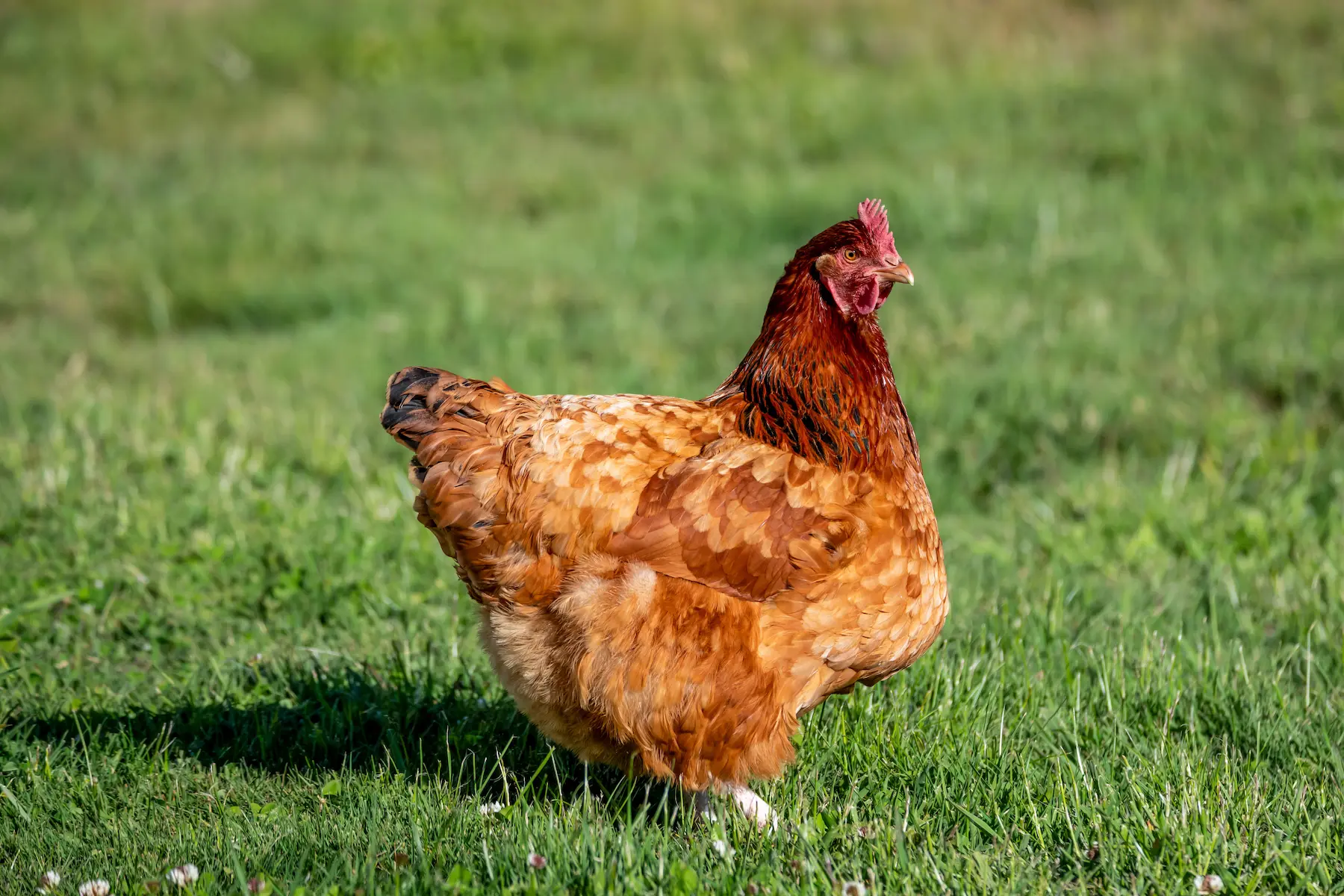
Quick comparison: brown and red breeds at a glance
| Breed | Temperament | Egg Colour | Eggs / Year | Heat / Cold | Good for Beginners |
|---|---|---|---|---|---|
| ISA Brown | Friendly, easygoing | Brown | 280–320 (first year) | Heat: Good Cold: Good | Yes |
| Rhode Island Red | Active, can be bossy | Brown | 200–250 | Heat: Good Cold: Good | Yes |
| Buff Orpington | Docile, affectionate | Light brown | 150–200 | Heat: Moderate Cold: Excellent | Yes |
| Welsummer | Active, usually friendly | Dark terracotta, often speckled | 150–200 | Heat: Good Cold: Good | Yes |
ISA Brown
Rhode Island Red
Buff Orpington
Welsummer
ISA Brown
The commercial laying champion
The ISA Brown is a hybrid bred for high egg production. In its first year it can lay close to an egg a day, which is why it is so common in Australian backyards and so often recommended to new keepers.
ISA Browns are usually friendly and easy to handle. The trade-off is that their output tends to drop after the first couple of years, so many keepers add a few heritage breeds to the flock for long-term variety.
Best suited to beginners and to anyone who wants plenty of eggs from the first season. It is a popular first pick for a new backyard flock.
Rhode Island Red
A hardy, dependable all-rounder
The Rhode Island Red is a rich red-brown breed known for toughness and steady laying. It copes with a wide range of conditions and is a good forager.
Rhode Island Reds can be assertive with other hens, so watch how they get along in a mixed flock and give everyone enough room. Roosters can be pushy, which is worth knowing if you plan to keep one.
Best suited to keepers who want a tough, dependable layer and have enough room to avoid squabbles in a mixed flock.
Buff Orpington
Golden, fluffy and calm
The Buff Orpington is a large, golden bird with soft feathers and one of the calmest natures of any breed. It is a favourite for families and for keepers who want a chook that enjoys company.
Buffs lay fewer eggs than the ISA Brown and often go broody. Their size and thick feathering mean they need good shade, airflow and water in summer, but they handle cold weather very well.
Best suited to families and to keepers in cooler regions who want a gentle bird that enjoys company.
Welsummer
Famous for dark, speckled eggs
The Welsummer has a handsome red-brown and gold plumage and is prized for its deep terracotta eggs, which are often speckled. Many keepers choose it to add a different egg colour to the basket.
Welsummers are active foragers that do best with space to roam. They lay fewer eggs than the ISA Brown or Rhode Island Red, but the egg colour makes up for it. As with any breed, provide shade and fresh water in hot weather.
Best suited to keepers who like variety and want a deep brown egg. A few Welsummers alongside an ISA Brown make a colourful egg basket.
Choosing brown and red chooks for your backyard
If your main goal is a basket of eggs, the ISA Brown is hard to beat in the early years. For a hardy, long-term bird, the Rhode Island Red is a sensible choice. For a gentle family pet, pick the Buff Orpington, and for egg colour variety, add a Welsummer.
Heavier breeds such as the Buff Orpington feel the heat more than the ISA Brown or Rhode Island Red, so match your breed to your climate. In hot regions, favour the lighter, more active birds and make sure every bird can reach shade and cool water at all times.
A mixed flock works well, but breeds with different temperaments need enough space and feeders to avoid squabbles. Work out how many birds your space can hold before you buy.
Give your flock a balanced layer feed, clean water and a calcium source such as shell grit to keep egg production steady.
Check your local council rules about keeping chickens, including limits on numbers and roosters, before you buy.
Use our coop size calculator to check how many birds your space suits, compare every breed on the main breeds guide, or see our black and white chicken breeds guide for patterned birds.
Frequently Asked Questions
What is the best brown chicken for eggs?
The ISA Brown is the most productive, often laying around 280–320 brown eggs in its first year. The Rhode Island Red is a hardy heritage alternative at roughly 200–250 eggs a year.
Are ISA Browns a real breed?
The ISA Brown is a commercial hybrid rather than a traditional breed. It is bred for high egg production, and hens are usually sold as pullets ready to lay.
Which red chicken breed is best for beginners?
The Rhode Island Red is a hardy and dependable choice for first-time keepers, and the ISA Brown is another easy option. Keep an eye on Rhode Island Reds in a mixed flock because they can be bossy.
Do brown chickens lay brown eggs?
Brown and red breeds generally lay brown eggs, but the shade varies. Welsummers lay a dark terracotta egg, while Orpingtons lay lighter brown eggs.
Can I keep brown and red breeds together?
Yes. A mixed flock is common, but give birds enough space, feeders and water points to reduce squabbles, and introduce new hens carefully.
Do brown and red chickens lay all year?
Laying usually slows in winter and during the annual moult, whatever the breed. Hens also lay less as they age, and this is most noticeable in high-output hybrids like the ISA Brown.
Which brown or red breed is best for a family with children?
The Buff Orpington is one of the calmest and most affectionate options, and the ISA Brown is usually friendly and easy to handle. Supervise young children around any chicken and wash hands after handling birds or eggs.